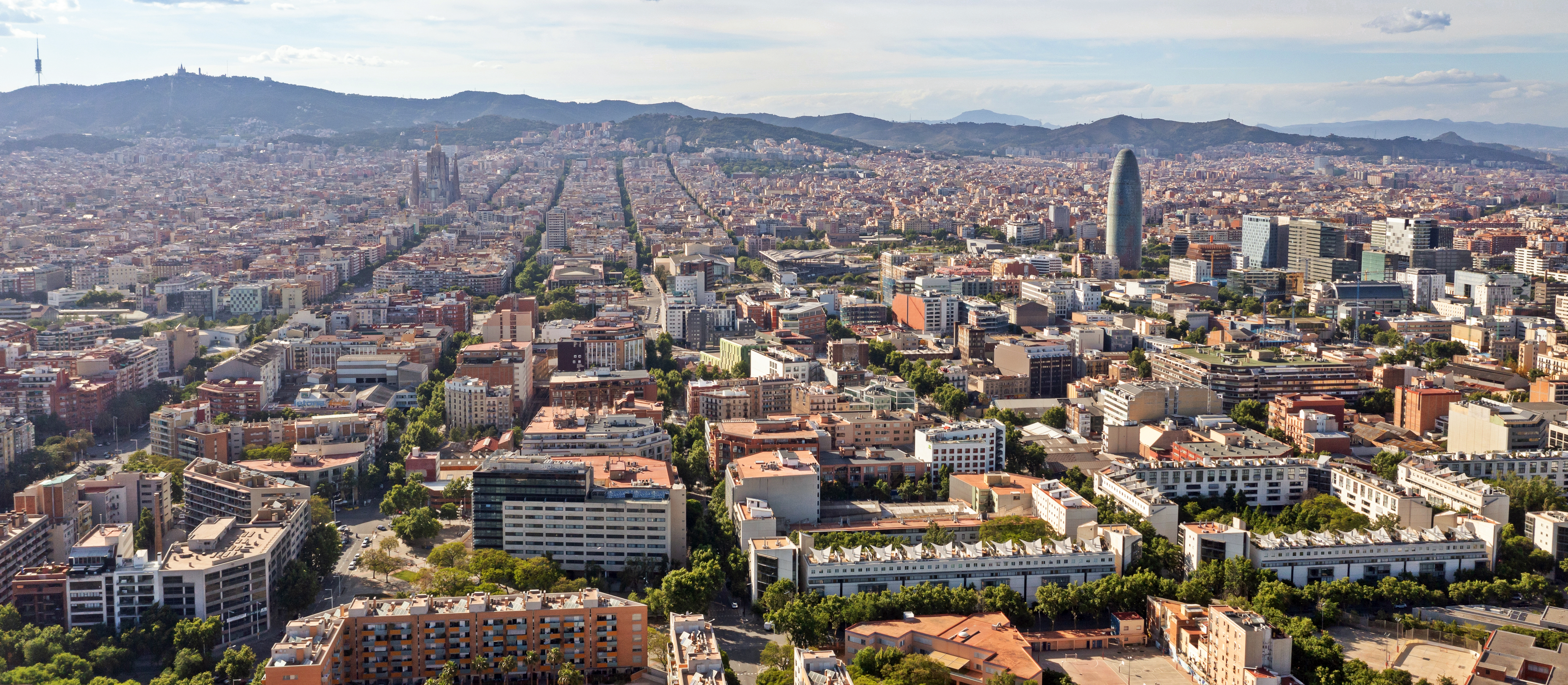
Barcelona, Spain
Walking Tours in Barcelona with StreetLore
You're a Barceloní — Catalan first, Spanish second — walking next to a visitor.
StreetLore is an audio walking companion that narrates the lore of Barcelona as you walk or drive — origin moments, named-person episodes, era anchors, neighborhood mythology. Themes covered include gaudi, modernisme, catholic, medieval, roman, old-town.
Popular spots covered in Barcelona
6 hand-picked stops with researched narration. Every listing below ships with a curated lore beat — the same content the app speaks while you walk past.
 01
01Sagrada Família
historicAntoni Gaudí's unfinished cathedral, started in 1882 and still under construction — the current target is 2026 for the central tower, which would make it the world's tallest church. Gaudí took over the project in 1883 and worked on it for 43 years until he was hit by a tram in 1926 and died from his injuries (he was so shabbily dressed the taxi drivers initially refused to take him to hospital). He knew he wouldn't live to see it finished. The four spires you see on the Nativity facade are the only ones he personally oversaw. The design is based on forms found in nature — the columns branch like trees, the windows let in light like forest canopy. The Spanish Civil War destroyed Gaudí's original plans and models; reconstruction has been partly based on his notes and partly on interpretation, which Catalans argue about constantly.
 02
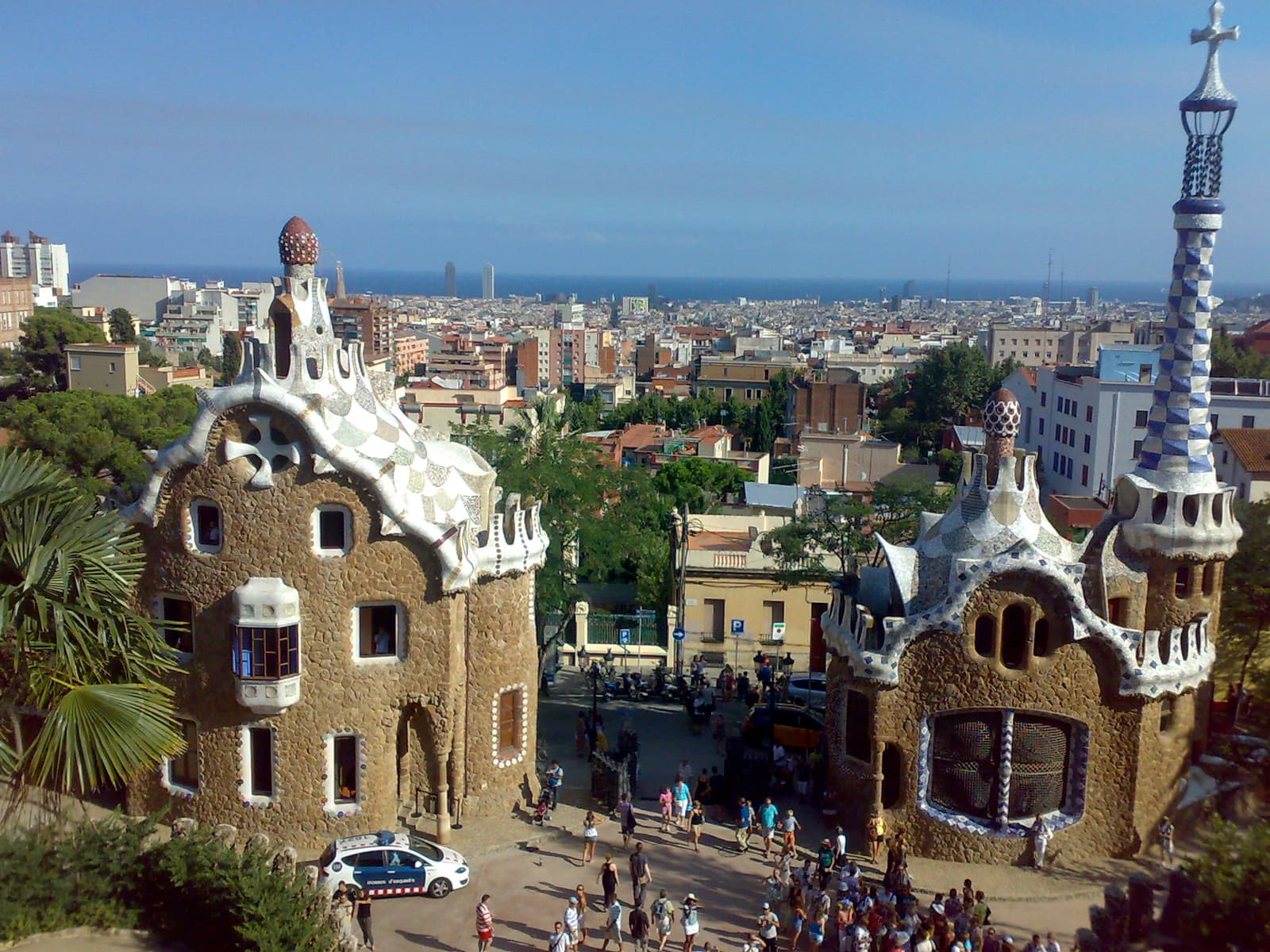
02Park Güell
landmarkOriginally intended as a gated luxury housing development, commissioned in 1900 by Gaudí's patron Eusebi Güell. The plan was 60 villas for Barcelona's upper class. They built two, sold none — turned out the location was considered too far from the city — and the project went bankrupt in 1914. Güell donated the park to the city in 1922. What you see are the common areas Gaudí had designed: the iconic mosaic salamander (known affectionately as 'el drac', the dragon) on the grand staircase, the colonnaded Hypostyle Hall that was meant to be the marketplace, and the serpentine benches on the terrace — covered in trencadís, broken ceramic tiles arranged into mosaics. Gaudí himself lived in one of the two built houses for 20 years; it's now a small museum.
 03
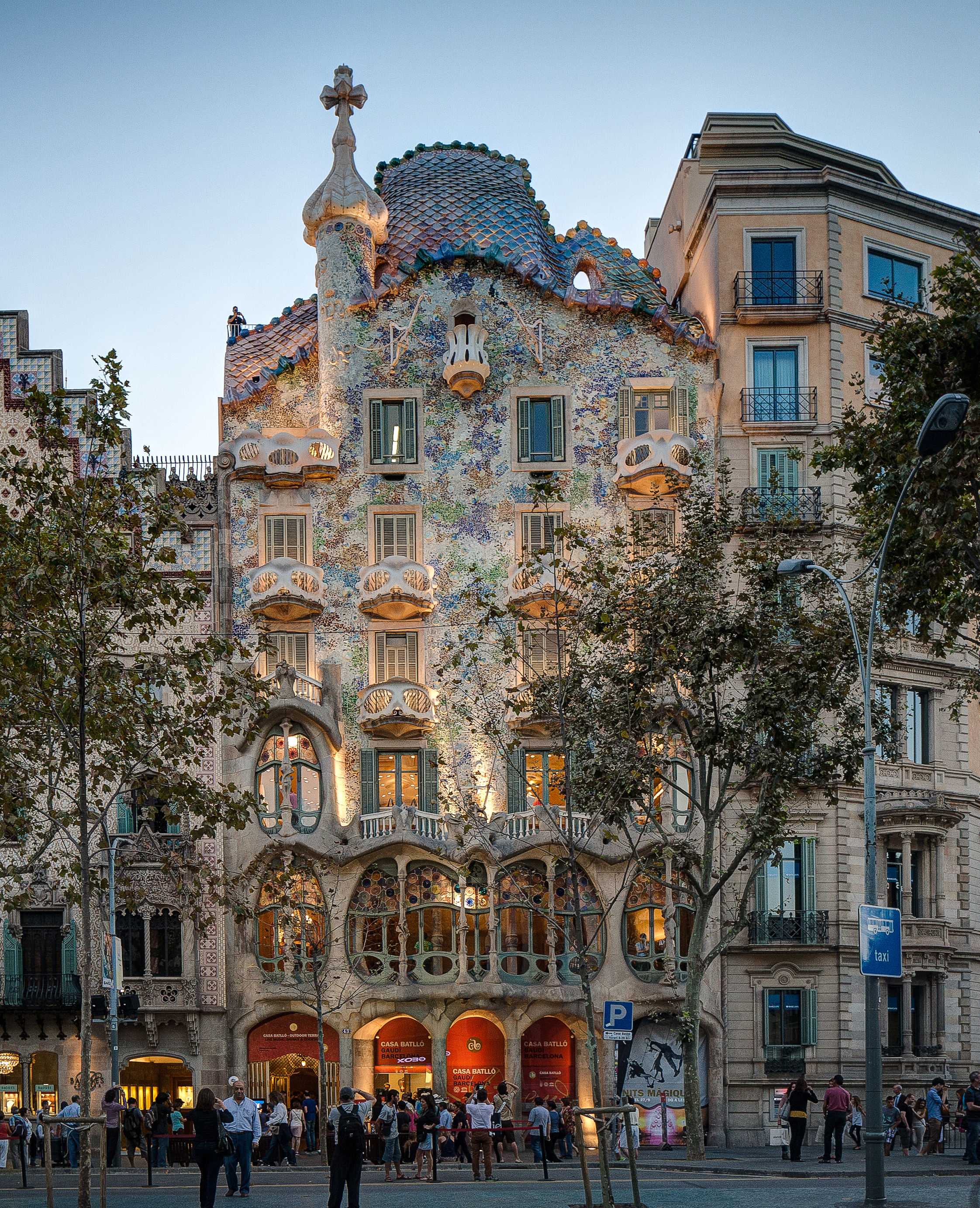
03Casa Batlló
historicGaudí's 1906 redesign of an existing apartment building for the textile magnate Josep Batlló. The façade is trencadís mosaic with a roof shaped like the scaled back of a dragon — the chimney acts as the lance of Sant Jordi (the dragon-slaying patron saint of Catalonia) plunging into its spine. Inside, no straight lines: curving oak banisters, turtle-shell stained glass, a light well in sky-blue tiles that lightens as it descends so each floor receives the same quality of light. One of the most photographed buildings in Barcelona. Paid entry with audio guide; go at opening to beat the queue, or book the night visit which is cheaper and quieter.
 04
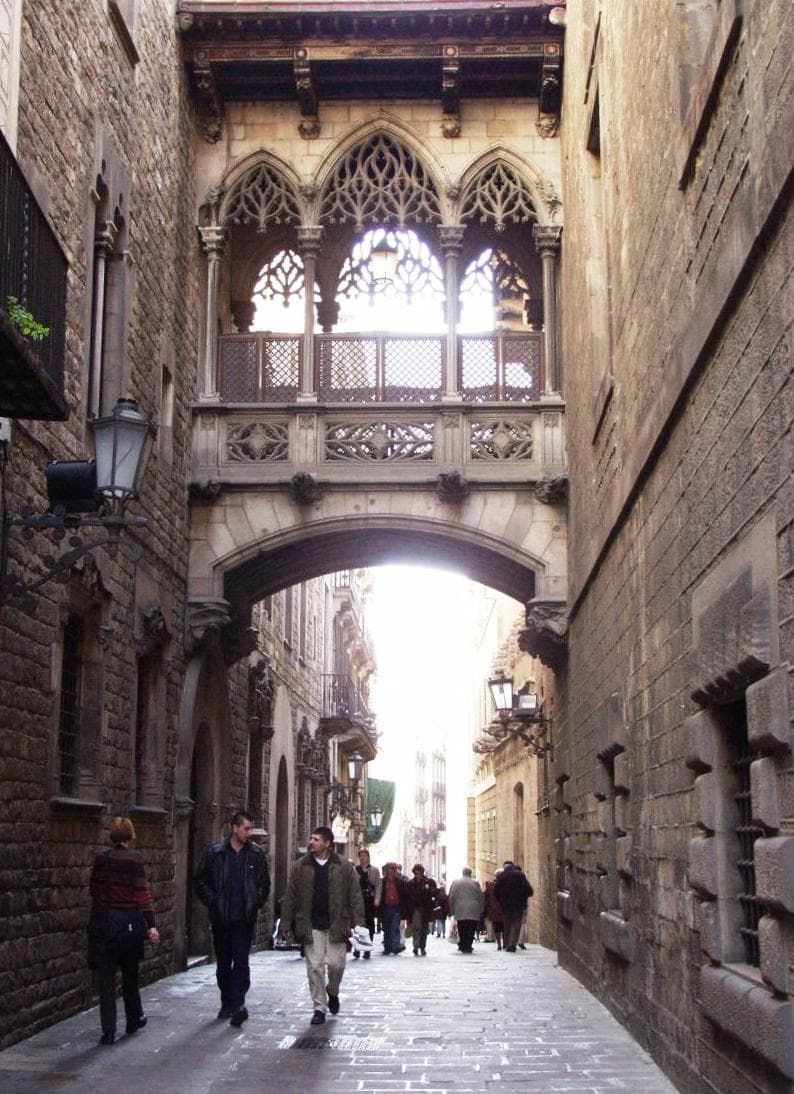
04Gothic Quarter (Barri Gòtic)
landmarkThe medieval old town of Barcelona, with its narrow twisting streets built on top of a Roman colony called Barcino. Pieces of the original Roman city walls are visible in a dozen places if you know where to look — embedded in apartment buildings, revealed behind shop windows. The Plaça Nova still has two Roman towers from around 50 CE. The Cathedral of Barcelona here (not to be confused with the Sagrada Família) is from the 13th-15th centuries, with thirteen white geese kept in the cloister that are supposed to represent the age at which the city's patron saint, Eulàlia, was martyred. A lot of what looks medieval is actually 19th and early 20th century neo-Gothic restoration. Barcelonans sometimes grumble about how much of their 'old city' is actually very new. Still, the atmosphere is real.
 05
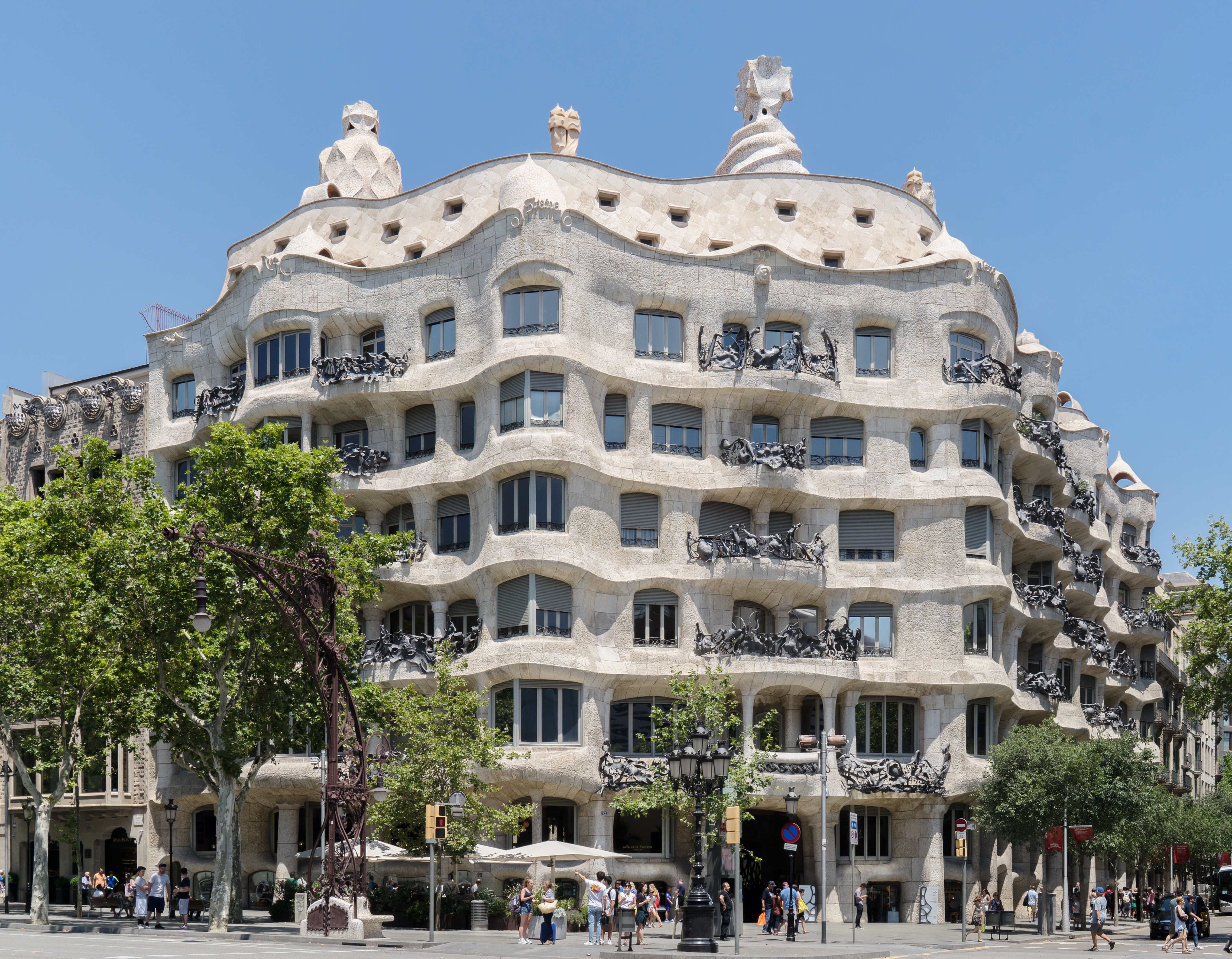
05Casa Milà (La Pedrera)
historicGaudí's last private commission (1906–12), a 9-storey apartment building nicknamed La Pedrera — 'the stone quarry' — for its rough limestone façade. Undulating like a cliff face, with wrought-iron balconies that look like seaweed. The roof is the famous part: warrior-helmet chimneys, cross-shaped vents, all walkable, with a view of the Sagrada Família rising in the distance. Gaudí's apartment on the 4th floor is a preserved interior from 1912 — furniture, curtains, the Bosch tile stove. UNESCO Heritage. Less queued than Casa Batlló but worth both if you can.
 06
06Palau de la Música Catalana
historicArguably Barcelona's most beautiful building, and not by Gaudí. Designed by Lluís Domènech i Montaner 1905–08 as a concert hall for the Orfeó Català choral society. The stained-glass ceiling skylight — inverted, a kind of upside-down dome in gold, red, and blue — is the centrepiece; the concert hall beneath it is the only auditorium in Europe lit entirely by natural daylight during the day. Tile, mosaic, sculpture, wrought-iron everywhere; half of Catalan decorative art lives in this one building. UNESCO listed. Concerts at night are the best way to see it used for its original purpose; daytime tours are excellent if you can't catch a performance.
What StreetLore sounds like in Barcelona
Below: the brand voice, in the voice notes the app uses for Barcelona.
“Warm and proud, with an edge. You love the city and you're a bit tired of the tourists. Not shy about saying Catalonia is not Spain. Casual Catalan word with a gloss is welcome — plaça, vermut, barri, bon dia.”
Ready to walk Barcelona?
StreetLore is a free download. Open it in Barcelona and start walking — the lore lands as you pass each place.