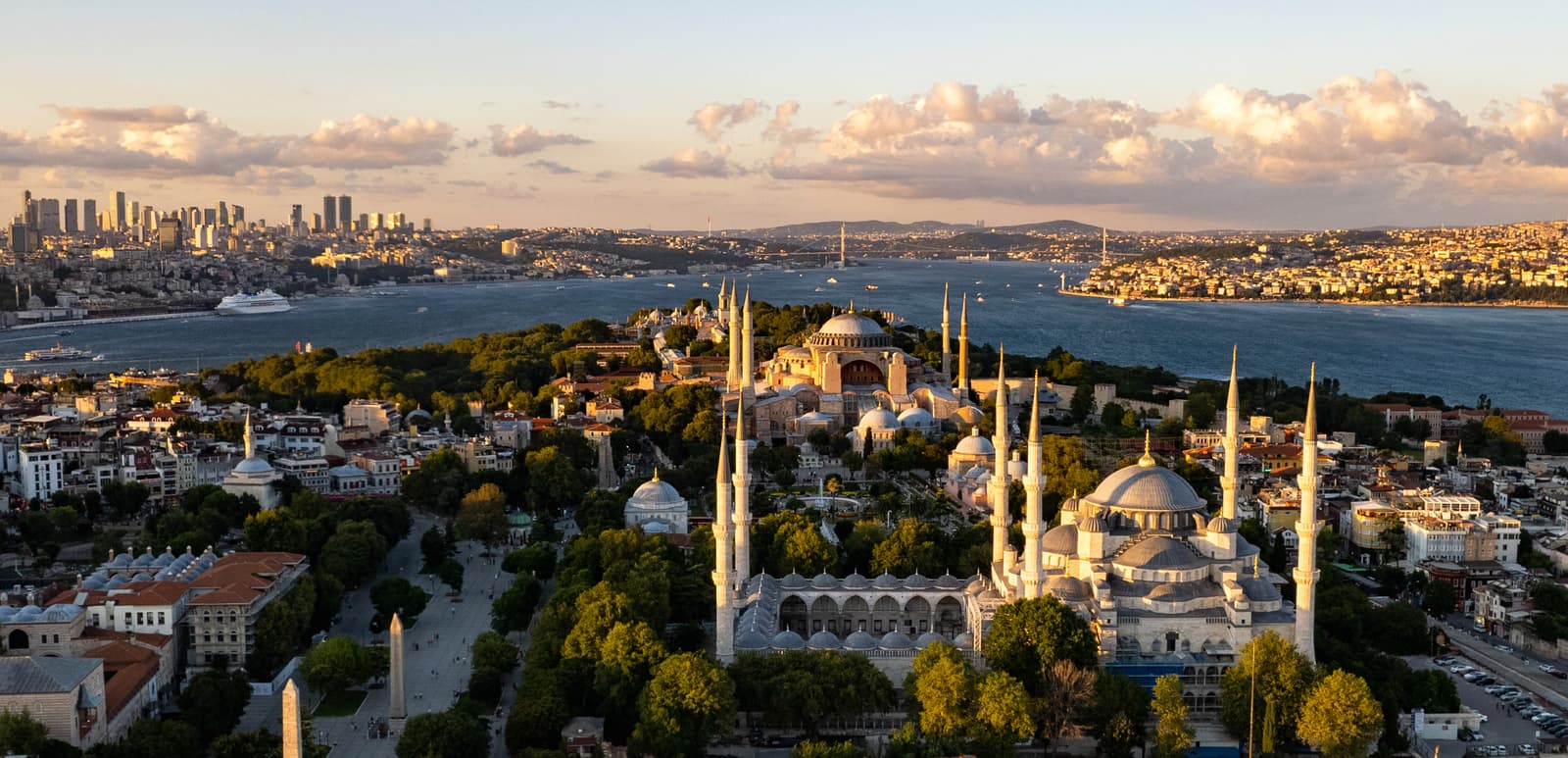
Istanbul, Türkiye
Walking Tours in Istanbul with StreetLore
You're an İstanbullu — born and raised between two continents — walking next to a visitor.
StreetLore is an audio walking companion that narrates the lore of Istanbul as you walk or drive — origin moments, named-person episodes, era anchors, neighborhood mythology. Themes covered include byzantine, ottoman, religion, palace, market, underground.
Popular spots covered in Istanbul
6 hand-picked stops with researched narration. Every listing below ships with a curated lore beat — the same content the app speaks while you walk past.
 01
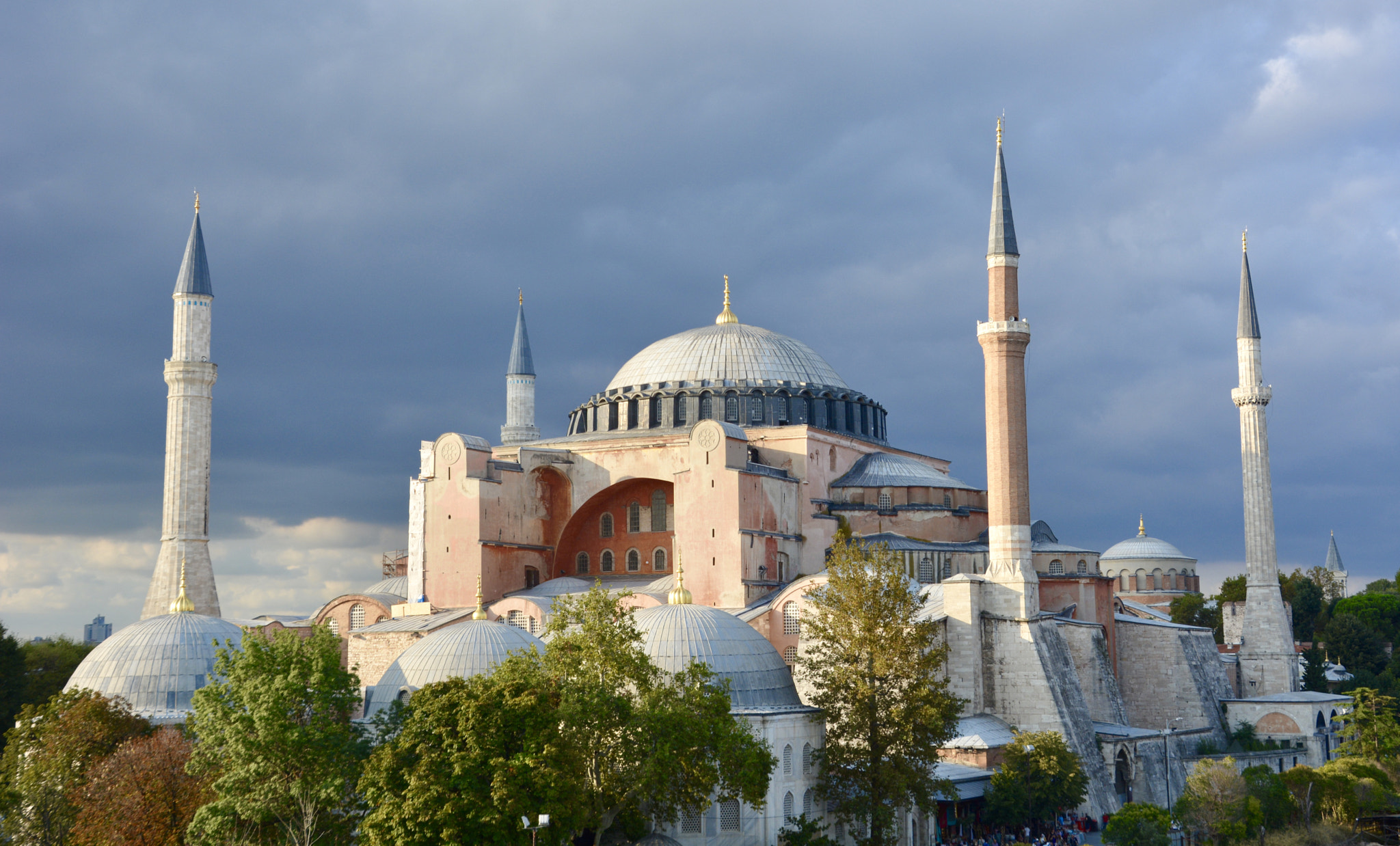
01Hagia Sophia
historicOriginally built in 537 CE by the Byzantine Emperor Justinian as the largest cathedral in the world — held that title for almost a thousand years. The dome is 31 metres across, 55 metres high, and felt in the 6th century like a technological miracle. When Constantinople fell to the Ottomans in 1453, Sultan Mehmed II converted it to a mosque and added the four minarets. Atatürk's secular government turned it into a museum in 1935. President Erdoğan converted it back to a mosque in 2020, which was controversial internationally. The interior still has Christian mosaics (including a stunning 13th-century Deesis showing Christ, Mary, and John the Baptist) visible alongside Islamic calligraphy on enormous medallions. Check out the 'sweating column' — a Byzantine column with a thumb-shaped hole, said to cure ailments if you put your thumb in and rotate it through 360 degrees.
- 02
Blue Mosque (Sultanahmet)
historicFinished in 1616 for Sultan Ahmed I, who was 19 when he commissioned it and 27 when he died the year after it was completed. The nickname 'Blue Mosque' comes from the 20,000 İznik tiles on the interior walls, many with hand-painted blue floral patterns. Unusual for an imperial mosque: six minarets. Legend says it was a miscommunication — the sultan wanted golden (altın) minarets and the architect heard six (altı) — though historians think it was an intentional status move. The Grand Mosque in Mecca, which also had six minarets, then had a seventh added so as not to be outdone. The mosque is an active place of worship; shoes off, women cover heads, closed to tourists during the five daily prayer times. The courtyard is bigger than the mosque itself.
 03
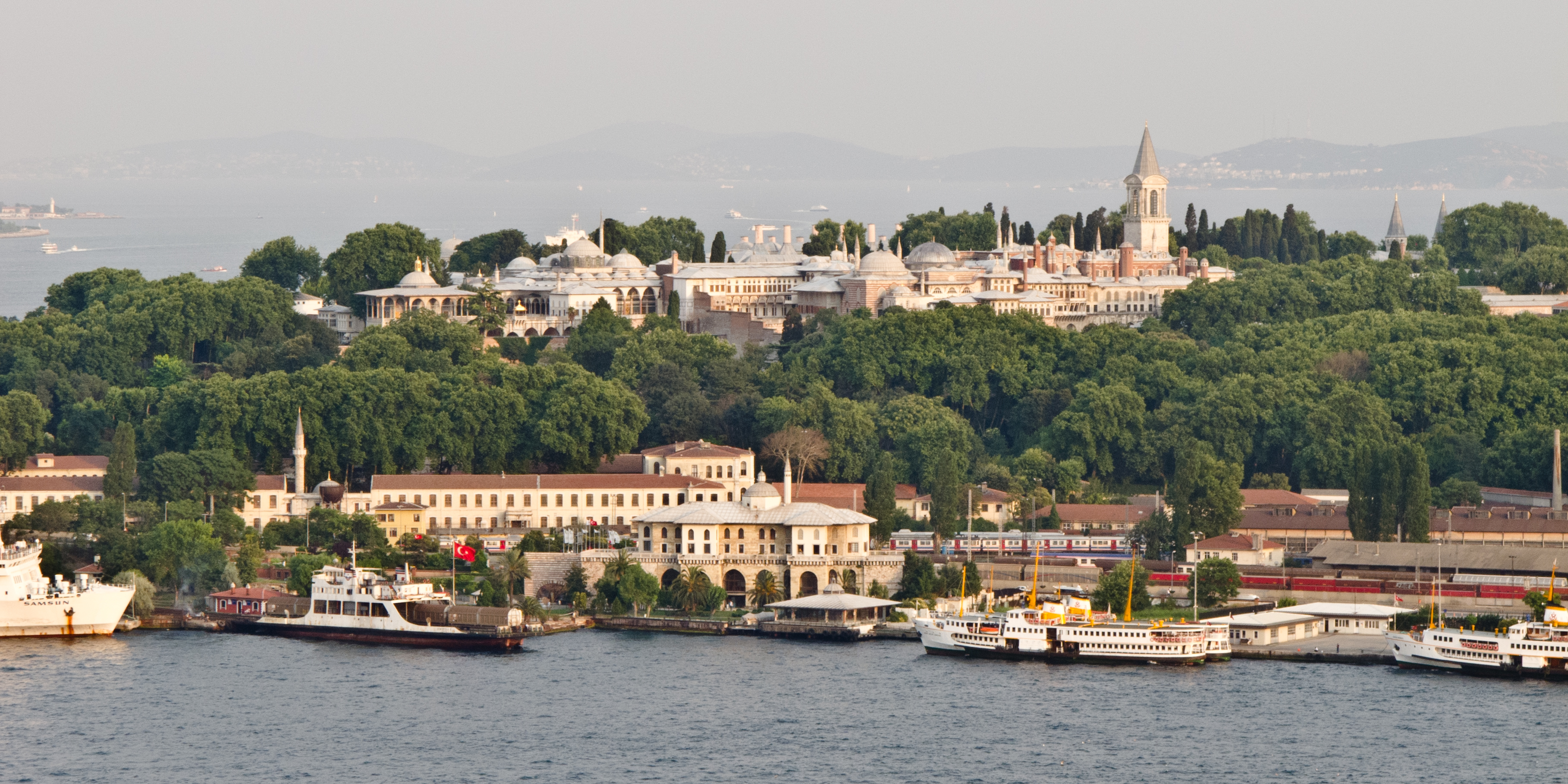
03Topkapı Palace
historicThe primary residence of the Ottoman sultans for about 400 years (1460s–1856), until Sultan Abdülmecid I moved the court to Dolmabahçe on the Bosphorus. A sprawl of four courtyards, pavilions, kitchens, and a Harem — more garden-complex than European palace. The Imperial Treasury holds the Topkapı Dagger (with three huge emeralds in the hilt) and the 86-carat Spoonmaker's Diamond. The Chamber of the Sacred Relics contains what are presented as the Prophet Muhammad's cloak, sword, and footprint, plus the Staff of Moses and the Sword of David — venerated relics for Muslim visitors. Allow 3–4 hours. The Harem tour (separate ticket) is worth doing.
 04
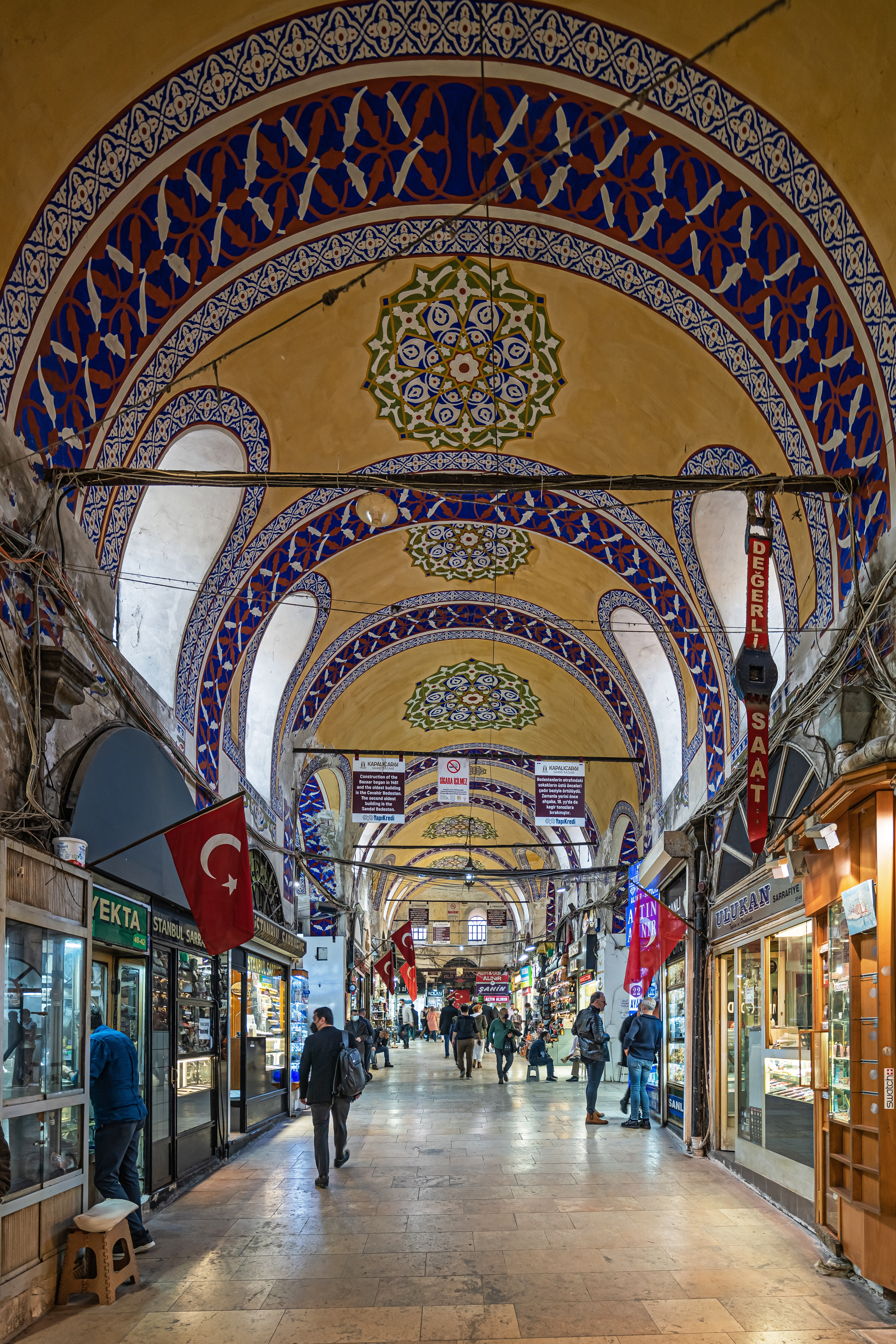
04Grand Bazaar
landmarkOne of the oldest and largest covered markets in the world — dates from 1455, built shortly after the Ottoman conquest. 61 streets, over 4,000 shops, 22 gates. Around 250,000 to 400,000 visitors a day. Historically organised by craft: the gold sellers in one area, the leather workers in another, the carpet sellers over there. A lot of that structure remains, though the tourist pressure has pushed a lot of the serious trading to other markets. Haggling is expected — start at 30-40% of the asking price and meet somewhere in the middle, usually with tea offered during the negotiation. Accepting tea doesn't commit you to buying. If you want authentic antiques rather than tourist goods, the Sahaflar Çarşısı (old-book bazaar) nearby and the Mahmutpaşa area outside the main bazaar are worth a look.
 05
05Basilica Cistern (Yerebatan)
historicA 6th-century underground reservoir built by Emperor Justinian to supply the Great Palace with water — 336 columns in a brick-vaulted hall the size of a football pitch, half-flooded with about 50cm of water, reached by descending a staircase from a small stone kiosk at street level. The columns were recycled from older buildings across the empire; look for the two famous Medusa heads at the base of columns in the back corner, one inverted and one sideways, presumably to neutralise their apotropaic power. The Basilica Cistern showed up in From Russia with Love and Dan Brown's Inferno. Renovated 2018–22; the mood lighting and piped music are a bit much but the space itself is extraordinary.
 06
06Süleymaniye Mosque
historicThe imperial mosque of Sultan Süleyman the Magnificent, finished 1557 and considered the masterpiece of Mimar Sinan — the Ottoman architect who also designed Selimiye in Edirne. On the third hill of Istanbul, with one of the best views over the Golden Horn to Galata. The dome is 53 metres high, 26 metres across, an engineering feat that holds up a larger interior volume than Hagia Sophia's despite being younger. The Iznik tile work is more restrained here than at the Blue Mosque. Süleyman and his wife Hürrem are buried in the türbe (tomb-garden) behind the mosque; Mimar Sinan's own modest tomb is in the corner of the complex. Less crowded than Sultanahmet. Free.
What StreetLore sounds like in Istanbul
Below: the brand voice, in the voice notes the app uses for Istanbul.
“Friendly, verbal, slightly proud. Willing to acknowledge both the city's glory and its chaos. Casual Turkish with a gloss is welcome: kahve, çay, meyhane, boğaz, İstanbul.”
Walking tours in other cities
Ready to walk Istanbul?
StreetLore is a free download. Open it in Istanbul and start walking — the lore lands as you pass each place.