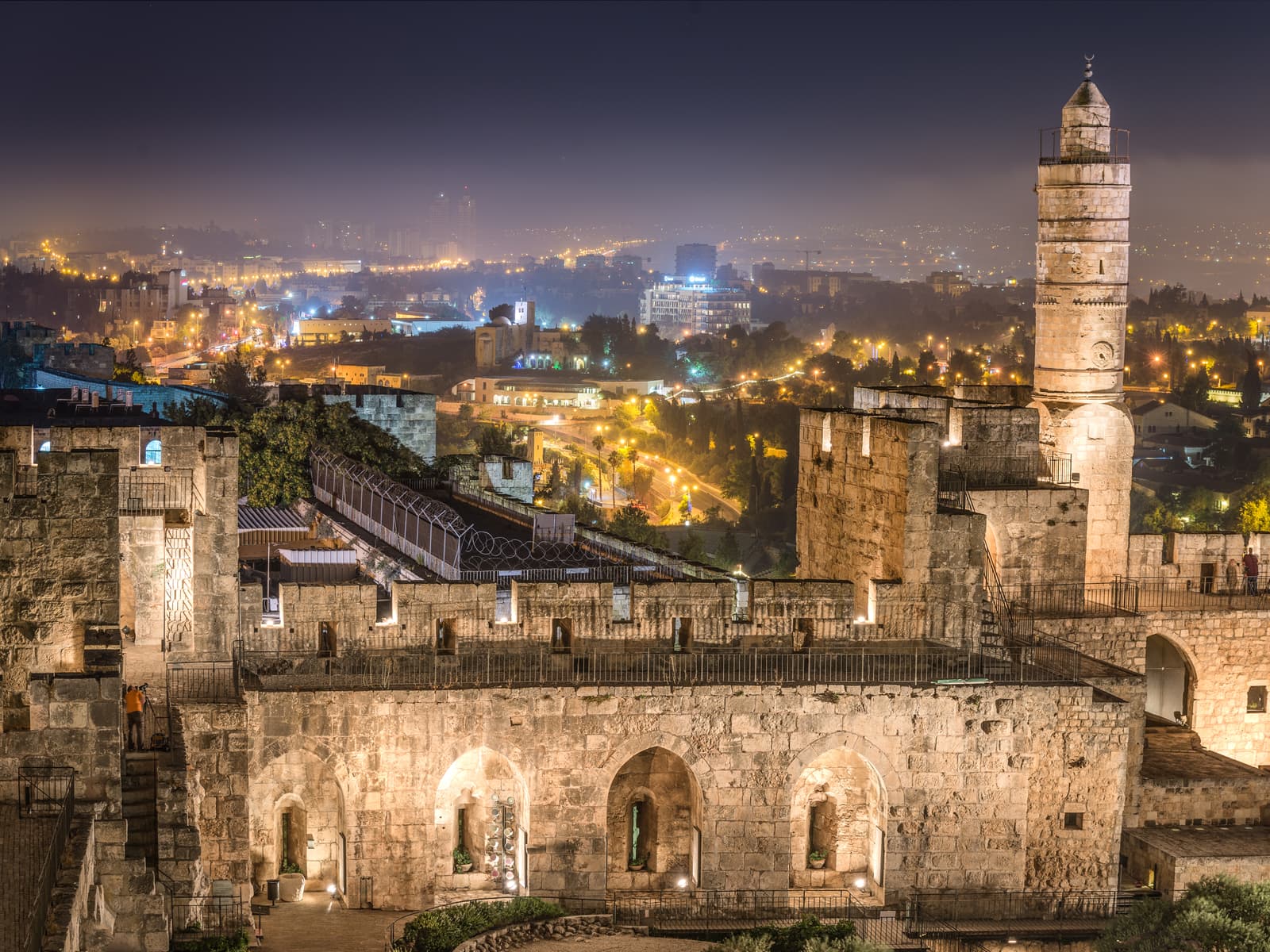
Jerusalem, Jerusalem District, Israel
Walking Tours in Jerusalem with StreetLore
I'm Talia, 34, from Nachlaot. An artist who loves the city's layers, both historical and contemporary. Always finding hidden corners that tourists usually miss.
StreetLore is an audio walking companion that narrates the lore of Jerusalem as you walk or drive — origin moments, named-person episodes, era anchors, neighborhood mythology. Themes covered include history, culture, religion, architecture.
Popular spots covered in Jerusalem
6 hand-picked stops with researched narration. Every listing below ships with a curated lore beat — the same content the app speaks while you walk past.
 01
01Al-Aqsa Mosque
landmarkThe Aqsa Mosque, also known as the Qibli Mosque or Qibli Chapel, is the main congregational mosque or prayer hall in the Al-Aqsa mosque compound in the Old City of Jerusalem. In some sources the building is also named al-Masjid al-Aqṣā, but this name primarily applies to the wider compound in which the building sits, which is itself also known as "Al-Aqsa Mosque", "Al-Aqsa" or "Haram al-Sharif".
 02
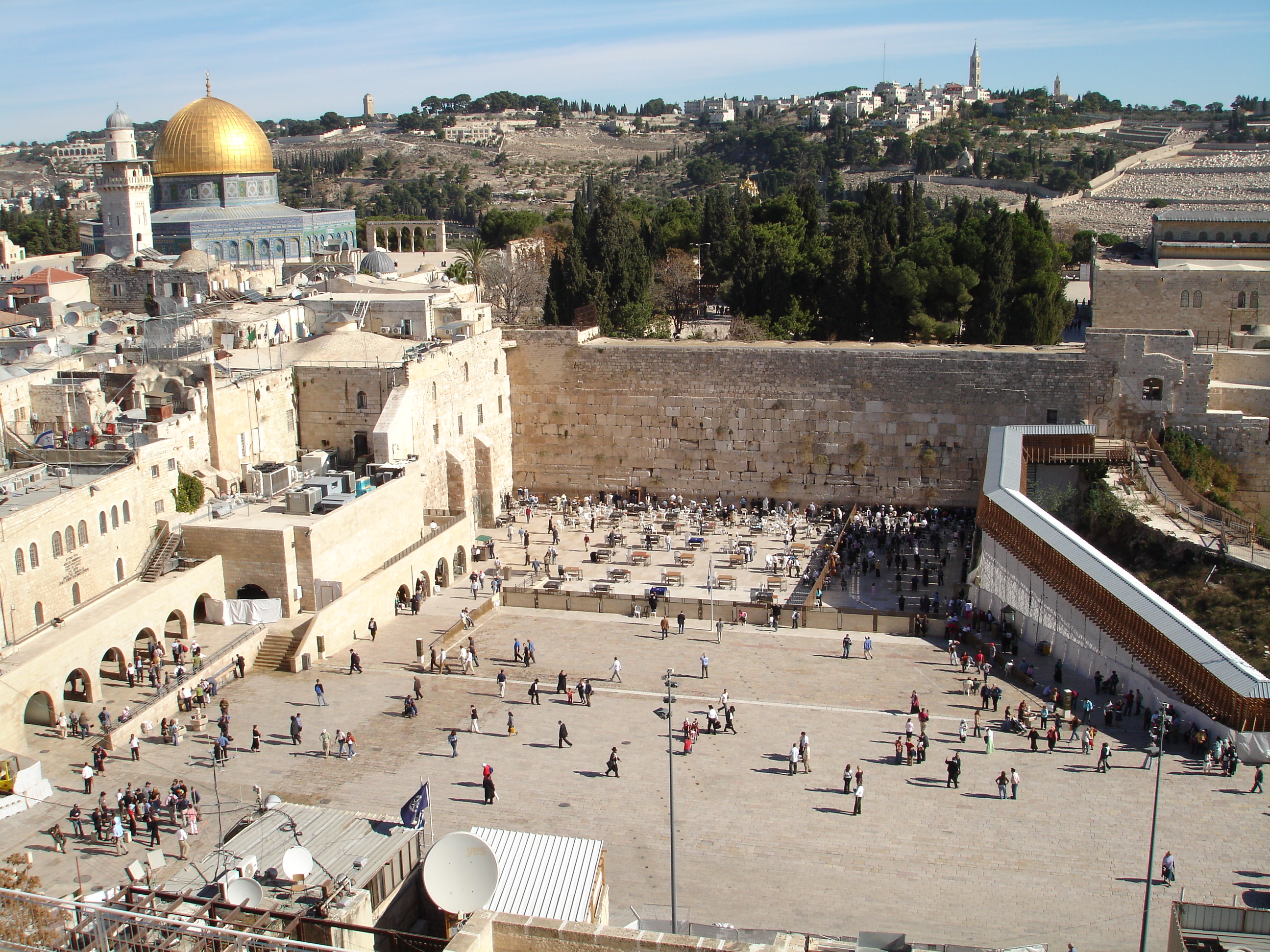
02Western Wall
landmarkThe Western Wall is an ancient retaining wall of the built-up hill known to Jews and Christians as the Temple Mount of Jerusalem. Its most famous section, known by the same name, often shortened by Jews to the Kotel or Kosel, is known in the West as the Wailing Wall, and in Arab world and Islamic world as the Buraq Wall. In a Jewish religious context, the term Western Wall and its variations is used in the narrow sense, for the section used for Jewish prayer; in its broader sense it refers to the entire 488-metre-long (1,601 ft) retaining wall on the western side of the Temple Mount.
 03
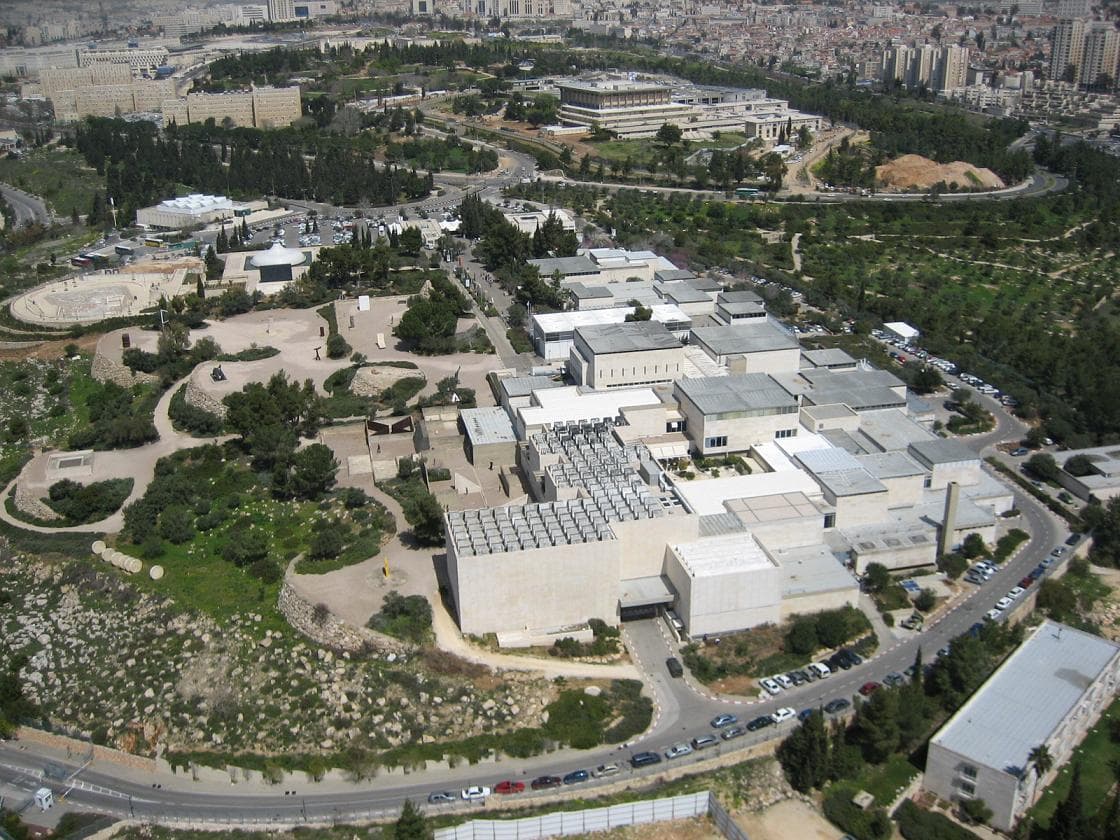
03Israel Museum
museumThe Israel Museum is an art and archaeology museum in Jerusalem. It was established in 1965 as Israel's largest and foremost cultural institution, and an encyclopedic museum. It is situated on a hill in the Givat Ram neighborhood of Jerusalem, adjacent to the Bible Lands Museum, the National Campus for the Archaeology of Israel, the Knesset, the Israeli Supreme Court, and the Hebrew University of Jerusalem.
 04
04Yad Vashem
museumYad Vashem is Israel's official memorial institution to the victims of the Holocaust, known in Hebrew as the Shoah (שואה). It is dedicated to preserving the memory of the Jews who were murdered; echoing the stories of the survivors; honoring Jews who fought against their Nazi oppressors and gentiles who selflessly aided Jews in need; and researching the phenomenon of the Holocaust in particular and genocide in general, with the aim of avoiding such events in the future. Yad Vashem's vision, as stated on its website, is: "To lead the documentation, research, education and commemoration of the Holocaust, and to convey the chronicles of this singular Jewish and human event to every person in Israel, to the Jewish people, and to every significant and relevant audience worldwide."
 05
05Church of the Holy Sepulchre
place of worshipThe Church of the Holy Sepulchre, also known as the Church of the Resurrection, is a fourth-century church in the Christian Quarter of the Old City of Jerusalem. The church is simultaneously the seat of the Armenian Patriarchate of Jerusalem, Greek Orthodox Patriarchate of Jerusalem, and the Catholic Latin Patriarchate of Jerusalem. It is the holiest site in Christianity and it has been an important pilgrimage site for Christians since the fourth century.
 06
06The Temple Institute
museumThe Temple Institute, known in Hebrew as Machon HaMikdash, is an organization in Israel focusing on establishing the Third Temple. Its long-term aims are to build the third Temple in Jerusalem on the Temple Mount—the site occupied by the Dome of the Rock—and to reinstate korbanot and the other rites described in the Hebrew Bible and Jewish legal literature. It aspires to reach this goal through the study of the previous Temples' construction and rituals and through the development of Temple ritual objects, garments, and building plans suitable for immediate use in the event conditions permit the Temple's reconstruction.
What StreetLore sounds like in Jerusalem
Below: the brand voice, in the voice notes the app uses for Jerusalem.
“Talia speaks with a calm assurance, blending a love for both history and the vibrant street life. She might contrast the quiet of the Old City's alleyways with the bustling markets like Machane Yehuda. Avoid overly religious tones or leaning into conflict narratives; she's about everyday life, not politics. She relishes the city's diversity and multifaceted culture. Skip the 'holy land' clichés; she's focused on the lived experience.”
Ready to walk Jerusalem?
StreetLore is a free download. Open it in Jerusalem and start walking — the lore lands as you pass each place.