Lisbon, Portugal
Walking Tours in Lisbon with StreetLore
You're a Lisboeta — a Lisbon local in your late thirties — walking next to a friend visiting the city.
StreetLore is an audio walking companion that narrates the lore of Lisbon as you walk or drive — origin moments, named-person episodes, era anchors, neighborhood mythology. Themes covered include age-of-discovery, manueline, maritime, pombaline, riverfront, baixa.
Popular spots covered in Lisbon
6 hand-picked stops with researched narration. Every listing below ships with a curated lore beat — the same content the app speaks while you walk past.
 01
01Jerónimos Monastery
historicCommissioned by King Manuel I in 1501 and paid for with a 5% tax on spices from Africa and Asia — the so-called 'pepper tax'. Built on the site of a small hermitage where Vasco da Gama and his crew prayed the night before leaving for India in 1497. Da Gama is buried inside. Construction took a hundred years. The Manueline carvings are full of ropes, coral, sea monsters, and armillary spheres — the iconography of a country obsessed with the ocean. Somehow survived the 1755 earthquake that flattened most of Lisbon.
 02
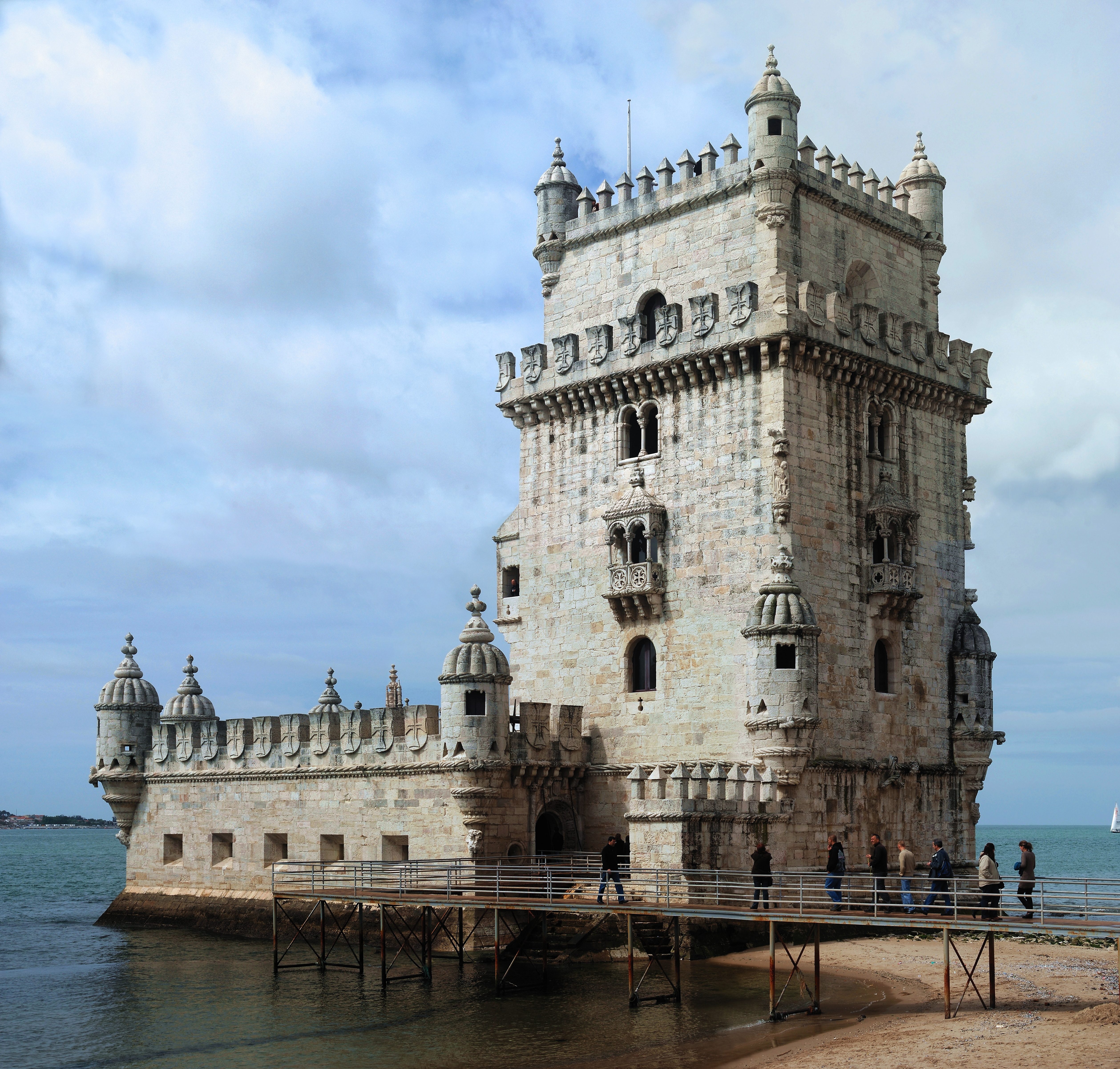
02Belém Tower
historicFinished in 1519 as a ceremonial gate to Lisbon — ships returning from the Indies would pass under its guns. Originally sat in the middle of the Tagus; the river has since silted and the tower is now almost on the bank. Look at the base on the north-west corner and you'll find a carved rhinoceros head — the first European depiction of one, modeled on a live rhino King Manuel I gifted to Pope Leo X in 1515. It drowned en route to Rome. Later used as a political prison; the dungeons at river level would flood at high tide.
 03
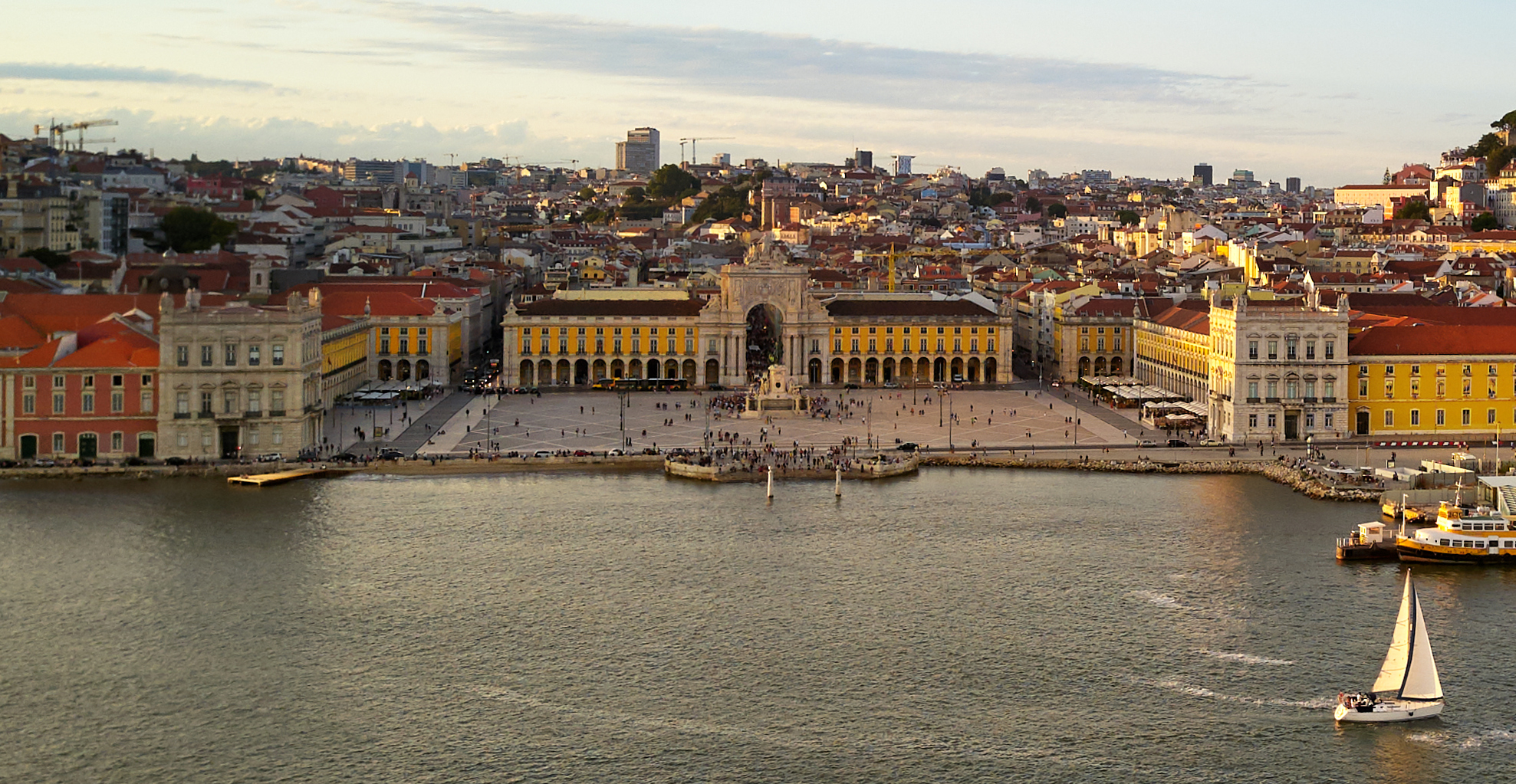
03Praça do Comércio
historicThe huge riverfront square where Lisbon meets the Tagus — once the front door of the Portuguese empire. Ships from Brazil, Africa, and India unloaded here. Before the 1755 earthquake this was the king's palace ground (Ribeira Palace, all gone). The Marquis of Pombal rebuilt it afterward as a symmetrical merchant square — three sides of yellow arcaded buildings, open to the river on the fourth. The triumphal arch on the north side, finished only in 1875, connects the square to Rua Augusta and the Baixa grid. The equestrian statue in the middle is José I, king when the earthquake hit.
 04
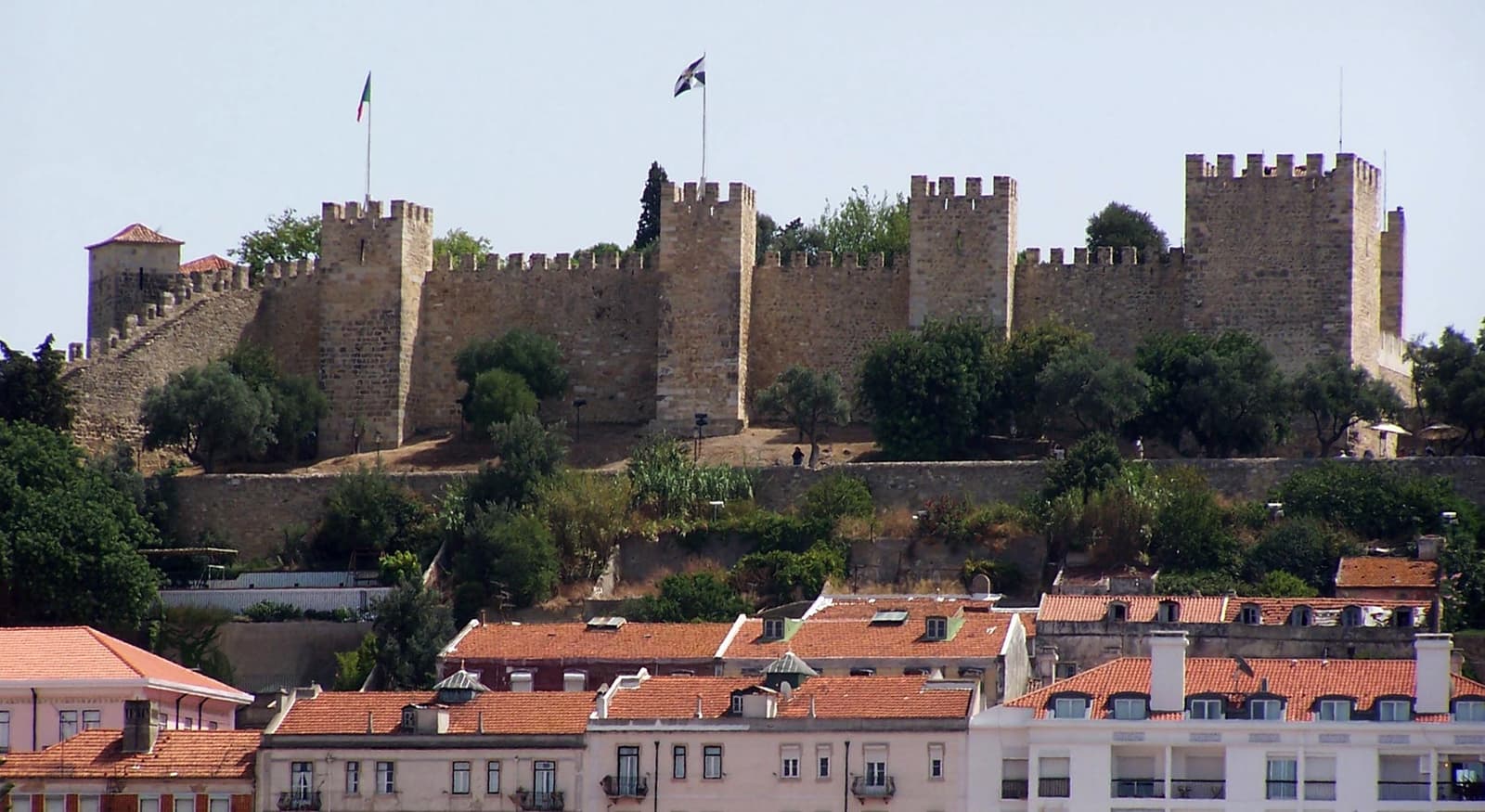
04São Jorge Castle
historicA fortified hilltop that's been inhabited for at least 2700 years — Phoenicians, Romans, Visigoths, Moors, Christians. The current walls are mostly 11th-century Moorish work. The Christian reconquest of 1147 was led by Afonso I with help from an opportunistic fleet of English, Flemish, and German crusaders on their way to the Holy Land; they sacked the city afterward. Most of the castle was flattened in the 1755 earthquake. What you walk today is a 1938-40 reconstruction, aggressive even by the standards of Salazar-era restoration. The peacocks wandering the grounds are semi-wild. The view over the whole city is the point.
 05
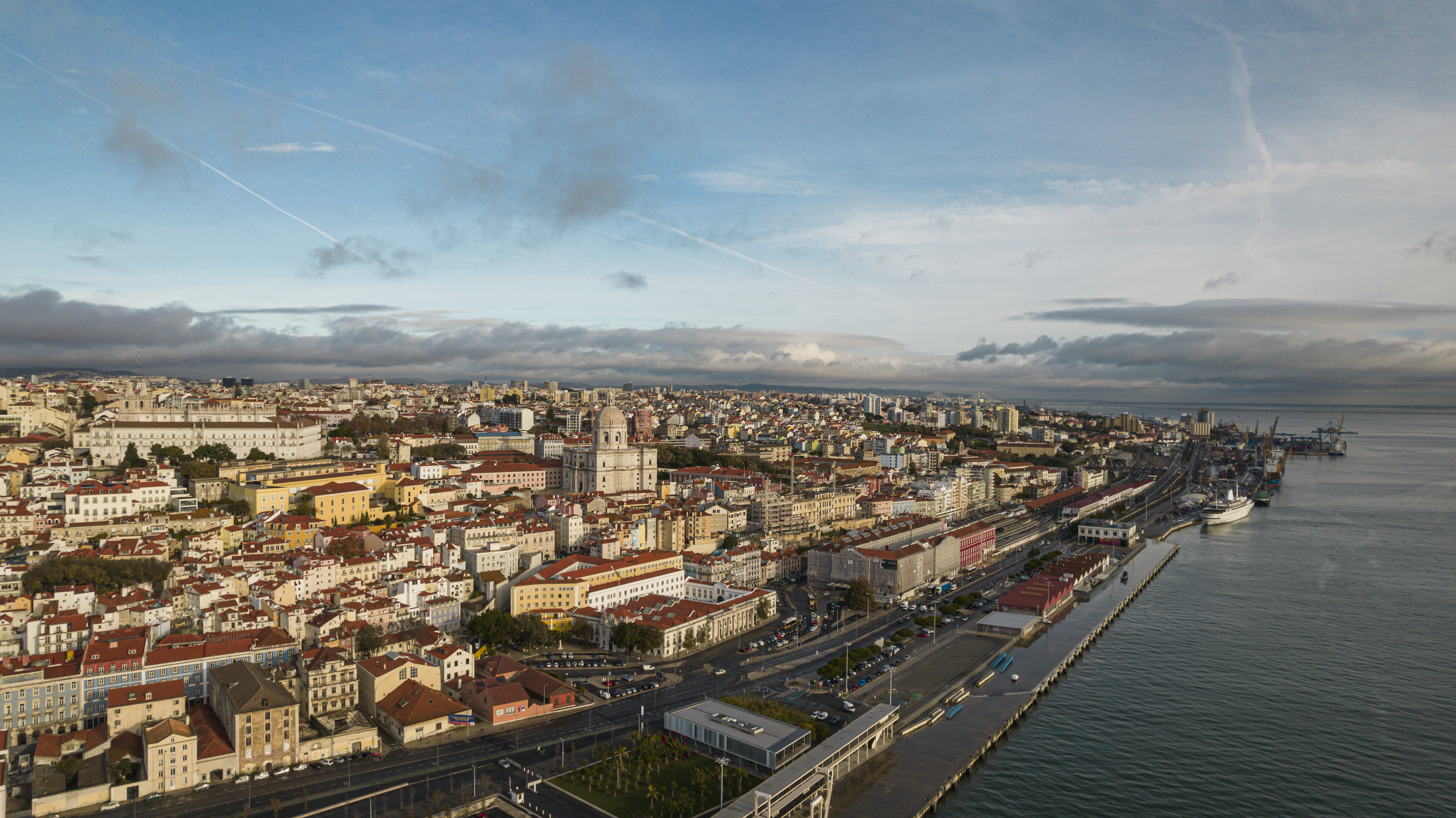
05Alfama
landmarkThe oldest neighbourhood in Lisbon, and the only one that mostly survived the 1755 earthquake because it sits on a rocky outcrop rather than the clay that amplified the shaking. The street layout is basically Moorish — a labyrinth of beco alleys that predate planned cities. Azulejo tiles on almost every wall. Laundry hanging between buildings. Fado bars you can hear from the street after 9 p.m. This is also where Lisbon's working poor have lived for a thousand years; the current wave of Airbnb conversions is the biggest change the neighbourhood has seen since the Muslims left in 1147. Walk it without a plan — the point is to get lost.
 06
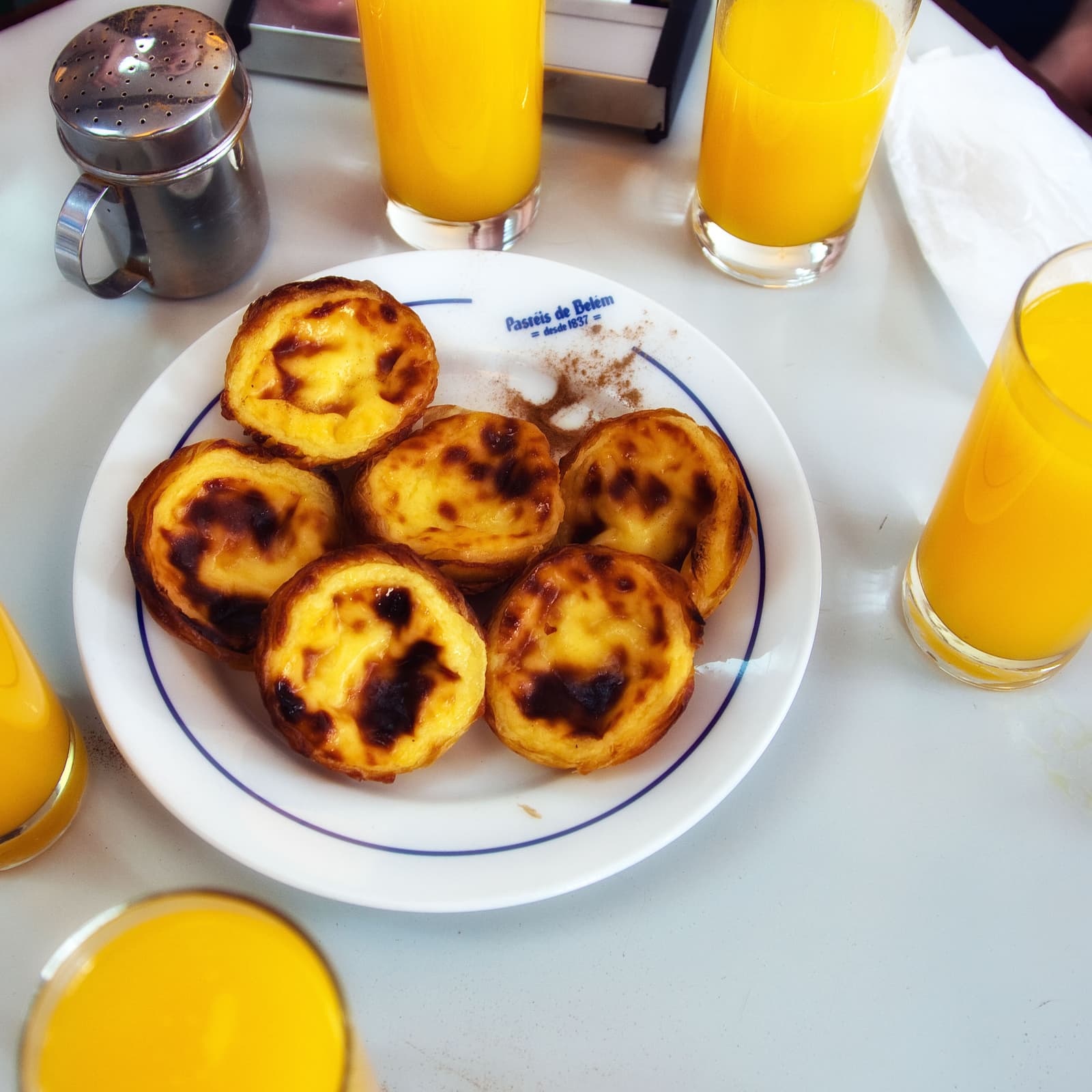
06Pastéis de Belém
foodOpened in 1837, selling a custard tart recipe the monks at Jerónimos had been making since the 1700s. The nuns used egg whites to starch their habits — the yolks had to go somewhere. When the monastery was shut down in 1834 during Portugal's liberal revolution, someone smuggled the recipe out to a nearby sugar refinery. The exact recipe is still only known to three master bakers at a time — they sign non-disclosure agreements and mix the filling in a locked room called the Oficina do Segredo, the 'Secret Workshop'. About 21,000 tarts leave the counter every day. You'll know the place by the queue.
What StreetLore sounds like in Lisbon
Below: the brand voice, in the voice notes the app uses for Lisbon.
“Warm, a little dry, fond of the city but not starry-eyed. Light opinions welcome. A touch of melancholy is native to Lisbon; don't fake it.”
Ready to walk Lisbon?
StreetLore is a free download. Open it in Lisbon and start walking — the lore lands as you pass each place.