Sevilla, Seville, Spain
Walking Tours in Sevilla with StreetLore
I'm Marta, 34, from the Triana district — a ceramic artist who loves the rhythm of the Guadalquivir more than the tourist traps of the Cathedral.
StreetLore is an audio walking companion that narrates the lore of Sevilla as you walk or drive — origin moments, named-person episodes, era anchors, neighborhood mythology. Themes covered include religion, architecture, civic, history, memorial.
Popular spots covered in Sevilla
6 hand-picked stops with researched narration. Every listing below ships with a curated lore beat — the same content the app speaks while you walk past.
- 01
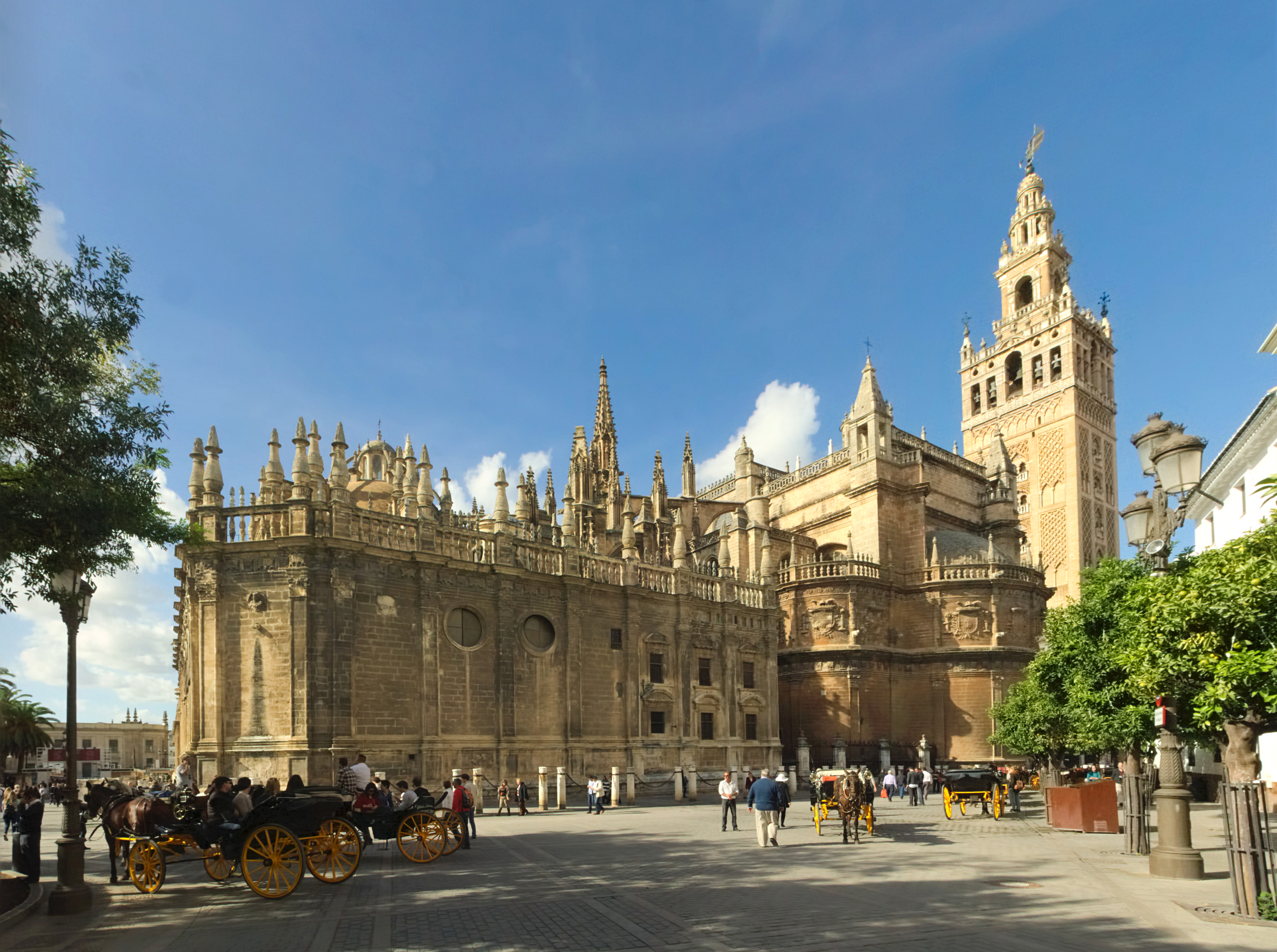
Seville Cathedral
place of worshipThe Cathedral of Saint Mary of the See, better known as Seville Cathedral, is a Catholic cathedral in Seville, Andalusia, Spain. It was registered in 1987 by UNESCO as a World Heritage Site, along with the adjoining Alcázar palace complex and the General Archive of the Indies. It is one of the largest churches in the world and the largest Gothic cathedral.
 02
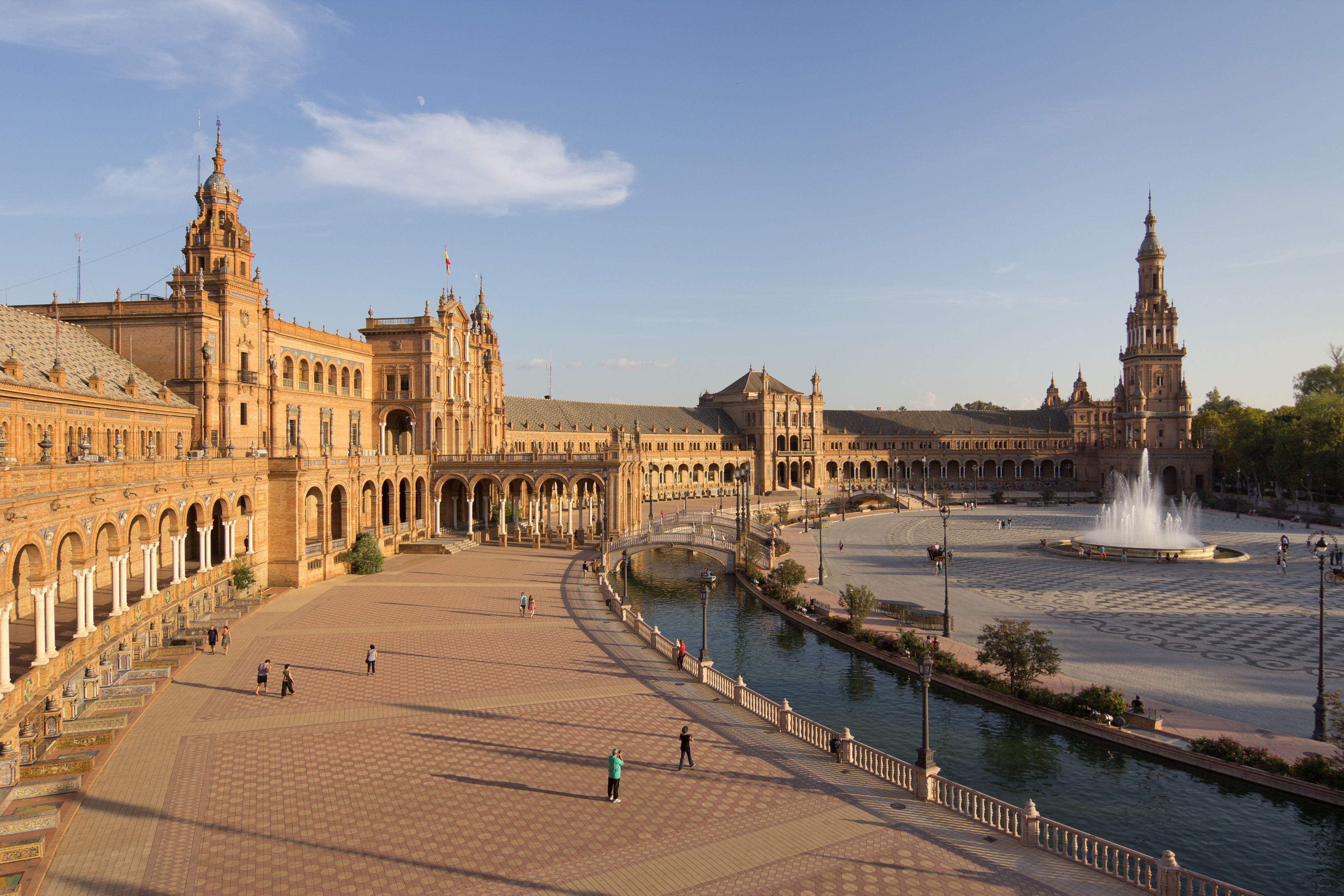
02Plaza de España
squareThe Plaza de España is a plaza in the Parque de María Luisa, in Seville, Spain. It was built in 1928 for the Ibero-American Exposition of 1929. It is a landmark example of Regionalism Architecture, mixing elements of the Baroque Revival, Renaissance Revival and Moorish Revival (Neo-Mudéjar) styles of Spanish architecture.
 03
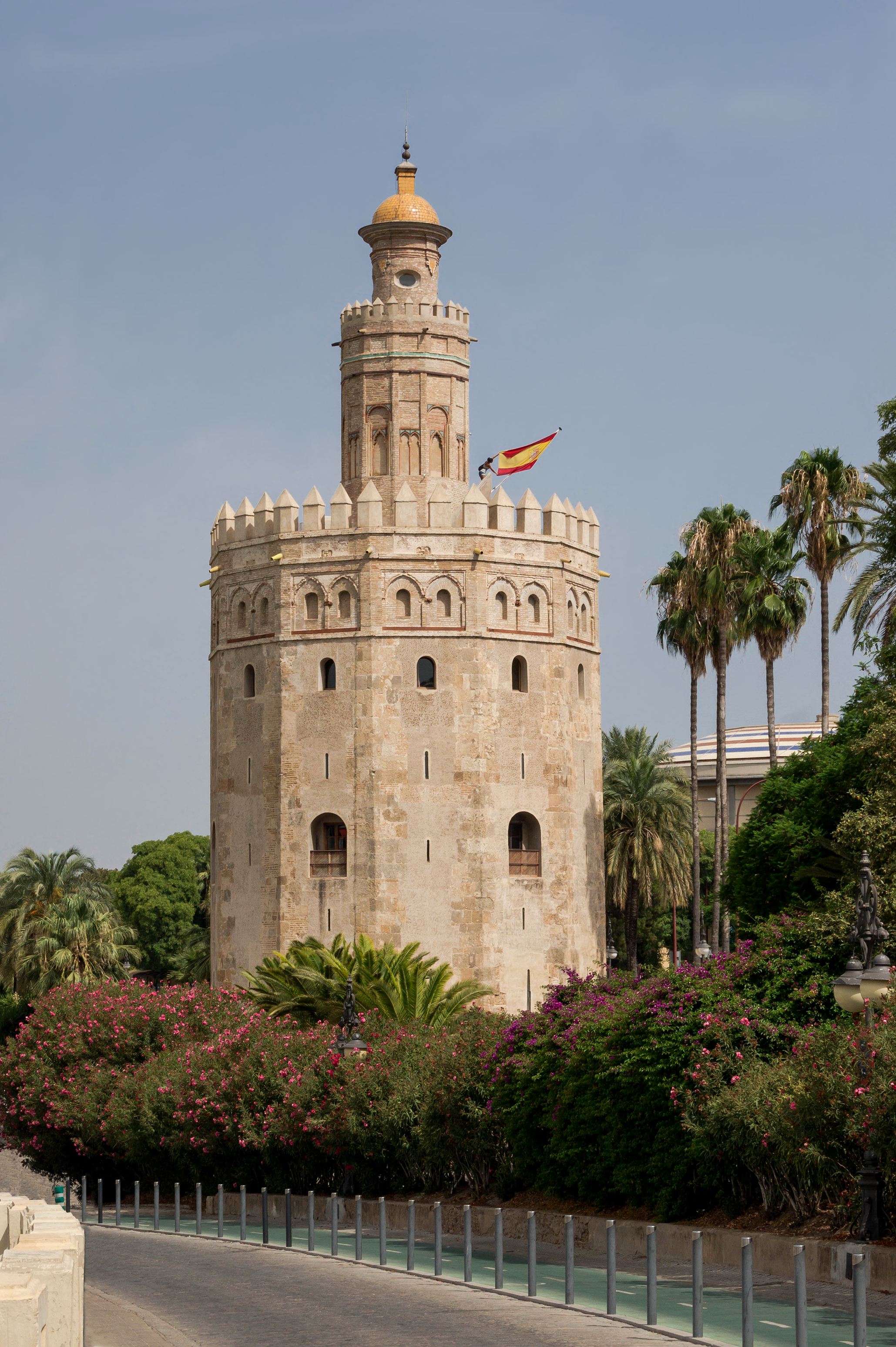
03Torre del Oro
monumentThe Torre del Oro is a dodecagonal military watchtower in Seville, southern Spain. It was erected by the Almohad Caliphate in order to control access to Seville via the Guadalquivir river.
 04
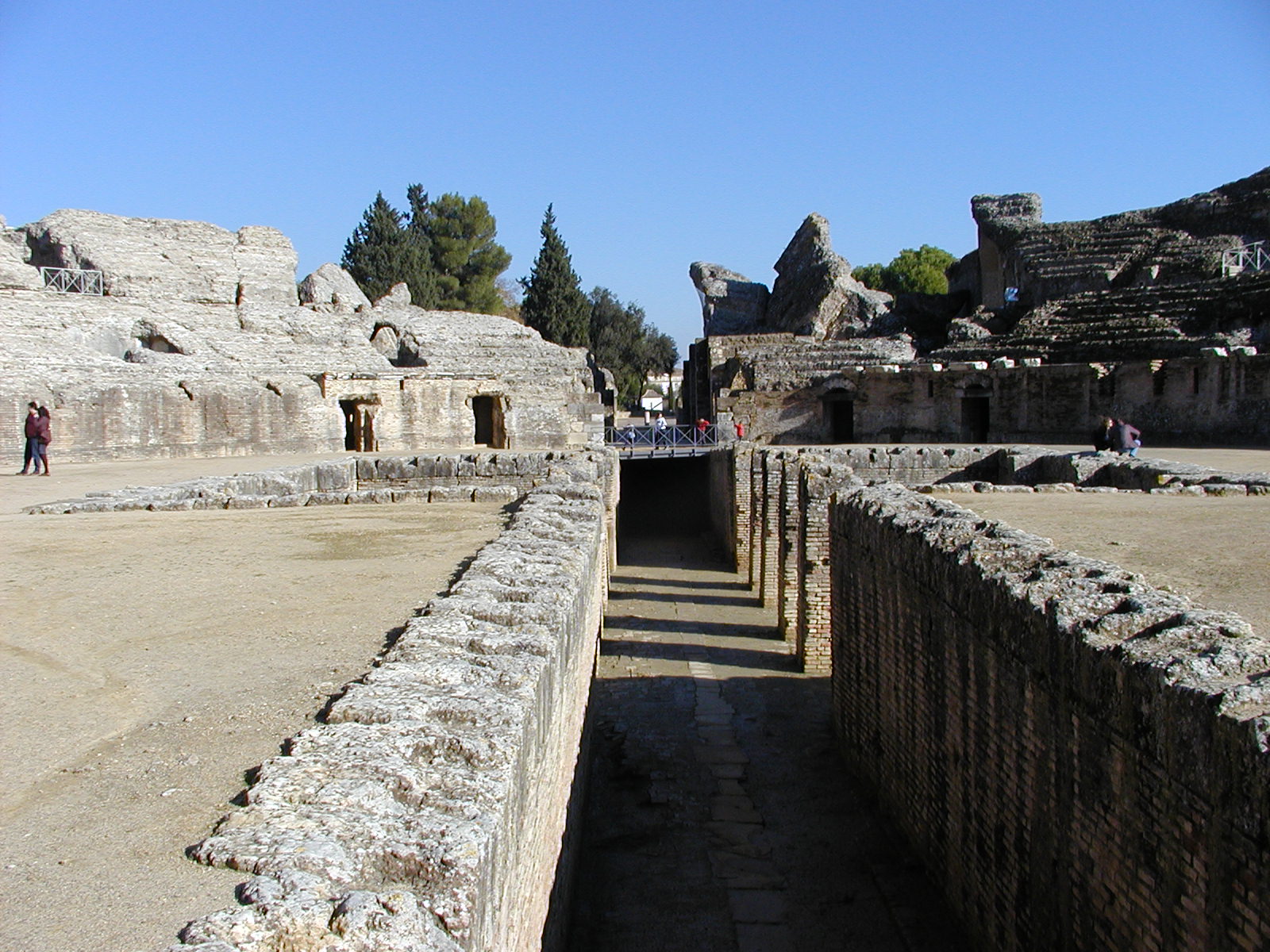
04Italica
landmarkItalica was an ancient Roman city in Hispania; its site is close to the town of Santiponce in the province of Seville, Spain. It was founded in 206 BC by Roman general Scipio as a colonia for his Italic veterans and named after them. Italica later grew attracting new migrants from the Italian peninsula and also with the children of Roman soldiers and native women.
 05
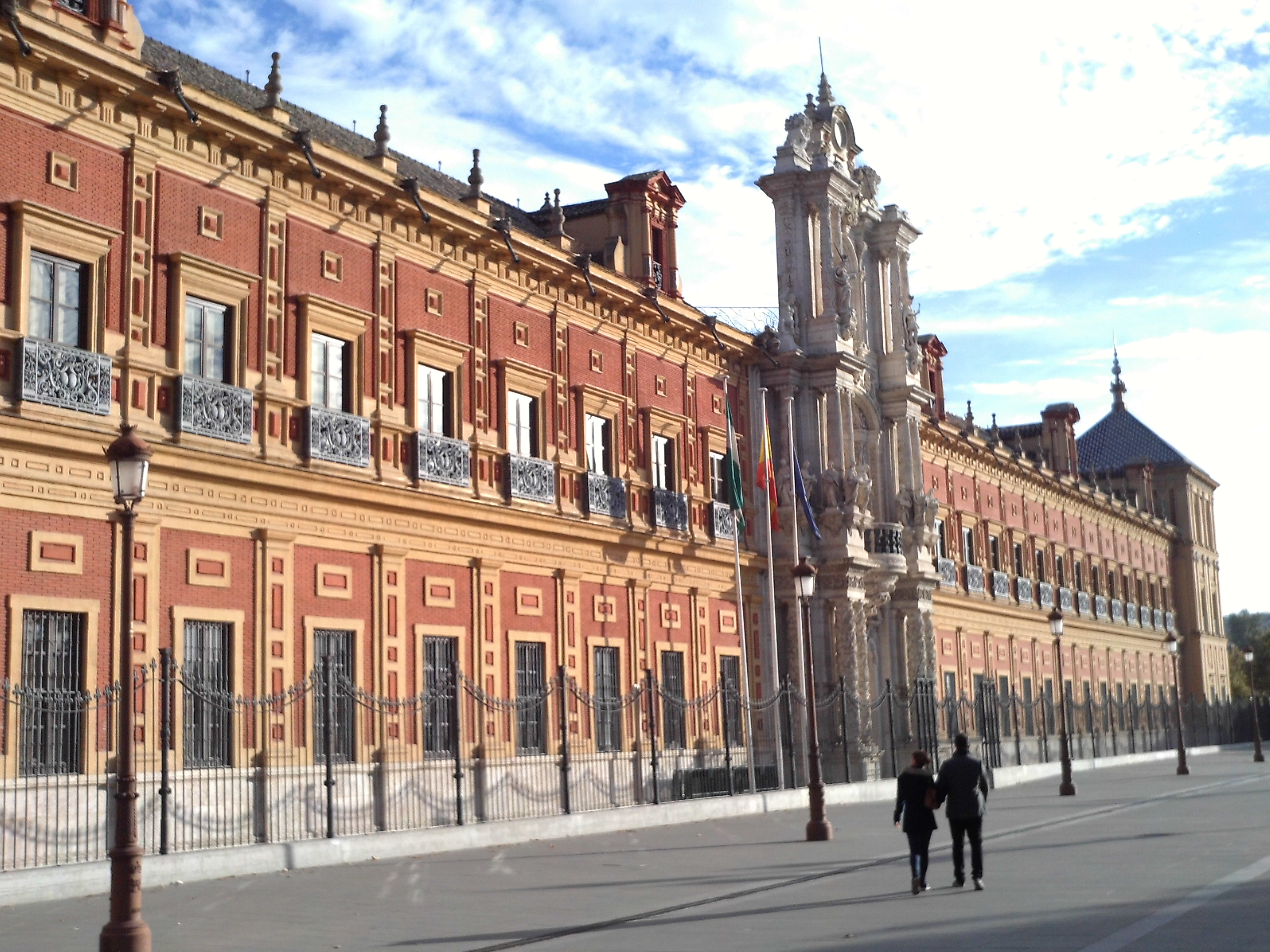
05Palacio de San Telmo
monumentThe Palace of San Telmo is a historic edifice in Seville, southern Spain, formerly the Universidad de Mareantes, now the seat of the presidency of the Andalusian Autonomous Government. Construction of the building began in 1682 outside the walls of the city, on property belonging to the Tribunal of the Holy Office, the institution responsible for the Spanish Inquisition. It was originally constructed as the seat of the University of Navigators, a school to educate orphaned children and train them as sailors.
 06
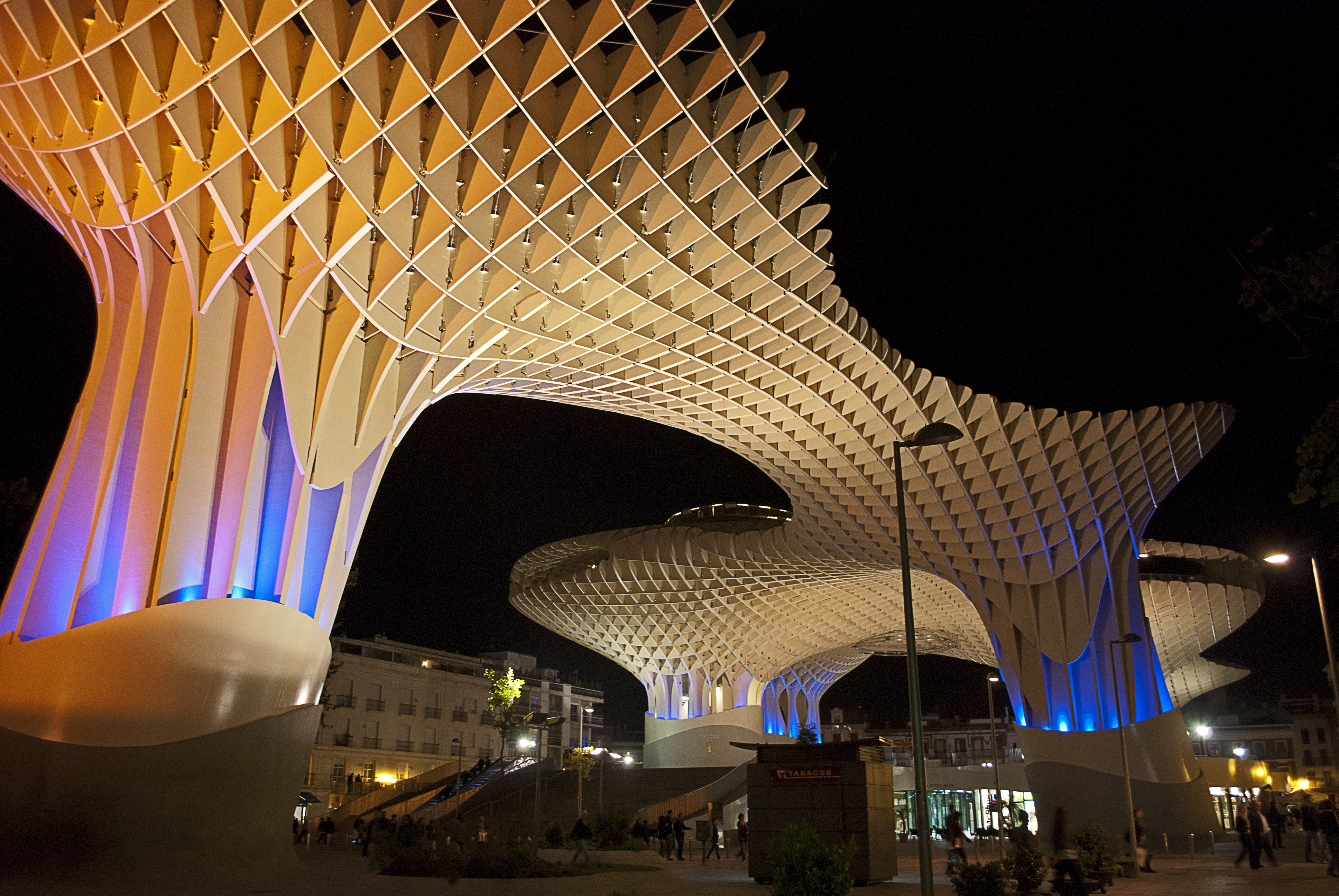
06Metropol Parasol
monumentSetas de Sevilla or Las Setas, initially titled Metropol Parasol, is a large, predominantly wood structure located at La Encarnación square in the old quarter of Seville, Spain. It accommodates a traditional market, restaurants, a performance square, archaeological museum, a venue for MICE events Metropol Eventos — and 'rooftop' terrace with a panoramic view of Seville's old city.
What StreetLore sounds like in Sevilla
Below: the brand voice, in the voice notes the app uses for Sevilla.
“Marta is warm, with a hint of dry humor. She might make references to the Betis vs. Sevilla FC rivalry, the importance of Semana Santa, or the joys of tapas in a non-touristy bar. She loves correcting misconceptions about the heat — it's not just hot, it's a lifestyle. Avoid clichés about flamenco or bullfights as the essence of Sevilla. She's not about postcard views but the soul of the streets.”
Ready to walk Sevilla?
StreetLore is a free download. Open it in Sevilla and start walking — the lore lands as you pass each place.